admin

The Complete Guide to Choosing the Right Packaging Machine for Your Business

The Complete Guide to Choosing the Right Packaging Machine for Your Business

Introduction

In today’s competitive manufacturing landscape, selecting the right packaging machine is crucial for optimizing production efficiency, reducing costs, and maintaining product quality. Whether you’re packaging food products, pharmaceuticals, cosmetics, or industrial components, the wrong equipment choice can significantly impact your bottom line. This comprehensive guide will walk you through the decision-making process to help you find the perfect packaging solution for your business.

Step 1: Understand Your Product Characteristics

The foundation of any packaging machine selection starts with a thorough understanding of what you’re packaging.

Product Form and Consistency

Your product’s physical form is the primary factor determining which machine type suits your needs. Consider whether your product is:

•Granular or Powdered: Coffee beans, sugar, spices, flour, and similar free-flowing materials are ideal for vertical form-fill-seal (VFFS) machines

•Solid Items: Individual products like biscuits, chocolates, soaps, or hardware components work best with horizontal packaging machines (HFFS)

•Liquid or Semi-Liquid: Beverages, oils, sauces, and creams require specialized filling machines designed to handle fluid products

•Delicate or Fragile: Products prone to damage benefit from gentle horizontal handling systems

Product Size and Weight Range

The dimensions and weight of your products determine the machine’s specifications and capacity requirements. Oversized or unusually shaped items may require custom modifications or specialized equipment. Document the minimum and maximum dimensions of your product range to ensure the machine can accommodate your full product line.

Special Product Characteristics

Consider any unique properties that might affect equipment selection:

•Temperature Sensitivity: Chocolate or ice cream requires temperature-controlled environments

•Corrosive Nature: Acidic or alkaline products may require stainless steel components

•Foam or Carbonation: Beverages with foam need overflow fillers to maintain consistent fill levels

•Particle Content: Products with suspended particles require piston fillers rather than gravity systems

Step 2: Define Your Production Goals

Clear production objectives serve as the benchmark for measuring your equipment investment’s return on investment (ROI).

Production Speed Requirements

Determine your target production capacity in bags per minute (BPM) or units per hour. This metric directly influences whether you need:

•Semi-Automatic Equipment: Suitable for smaller operations producing 20-50 BPM

•Fully Automatic Lines: Ideal for high-volume production exceeding 100+ BPM

•Modular Systems: Flexible solutions that scale with your business growth

Automation Level

Evaluate how much human intervention you’re willing to tolerate. While fully automatic systems require higher upfront investment, they offer:

•Reduced labor costs

•Minimized human error

•Consistent product quality

•24/7 production capability

Future Scalability

Consider your business growth projections. Investing in modular, scalable equipment prevents costly replacements as your production demands increase. Ask yourself: Will your production volume double in the next 3-5 years?

Step 3: Understand Main Packaging Machine Types

Vertical Form-Fill-Seal (VFFS) Machines

How It Works: VFFS machines form bags vertically from a flat film roll, fill them with product from above, then seal and cut them in one continuous motion.

Best For: Granules, powders, liquids, and free-flowing bulk materials

Advantages:

•Compact footprint—ideal for space-constrained facilities

•Extremely high production speeds (up to 500+ BPM)

•Minimal material waste

•Versatile bag styles (pillow bags, gusseted pouches)

Limitations:

•Not suitable for fragile products due to drop height

•Limited to certain bag configurations

•Requires free-flowing or pourable products

Horizontal Form-Fill-Seal (HFFS) Machines

How It Works: HFFS machines place products on a conveyor belt, wrap film around them horizontally, then seal and cut the package.

Best For: Solid items, delicate products, and individually wrapped goods

Advantages:

•Gentle handling—perfect for fragile items

•Accommodates various product shapes and sizes

•Flexible packaging styles

•Easy integration with production lines

Limitations:

•Larger footprint than VFFS

•Generally slower speeds than VFFS

•Not ideal for liquids or loose powders

Pre-Made Pouch Filling Machines

How It Works: These machines fill pre-manufactured pouches (with or without zippers, windows, etc.) with product.

Best For: Premium packaging, products requiring special pouch features

Advantages:

•Professional appearance with custom pouches

•Supports advanced features (zippers, resealable seals, windows)

•Brand differentiation opportunities

Limitations:

•Higher packaging material costs

•Requires pouch inventory management

•Slower than form-fill-seal systems

Liquid Filling Machines

Types and Applications:

•Gravity Fillers: Best for low-viscosity liquids (water, juice, wine)

•Piston Fillers: Ideal for thick sauces, pastes, and products with particles

•Overflow Fillers: Perfect for maintaining consistent fill levels in transparent containers

•Pump Fillers: Versatile for various viscosities; includes gear pumps, peristaltic pumps, and rotary options

Step 4: Consider Packaging Materials and Styles

Your choice of packaging material and final bag style significantly impacts both cost and market appeal.

Film Material Selection

•Standard Composite Films: Cost-effective for most applications

•Recyclable Materials: Increasingly important for environmentally conscious brands

•Aluminum Foil: Premium option for barrier protection and shelf appeal

•Specialty Films: Moisture barriers, oxygen barriers, or high-barrier combinations

Ensure your selected machine is compatible with your chosen film materials and thicknesses.

Bag Style Options

Different applications require different bag configurations:

•Pillow Bags: Simple, economical, suitable for most products

•Gusseted Pouches: Increased capacity, better shelf presence

•Stand-Up Pouches: Premium appearance, excellent for retail

•Stick Packs: Individual portions, convenient for consumers

•Resealable Pouches: Enhanced functionality, customer convenience

Step 5: Evaluate Suppliers and After-Sales Support

A quality machine is only as good as the support behind it.

Supplier Experience and Expertise

•Does the supplier have proven experience in your industry?

•Can they provide case studies or references from similar operations?

•Do they understand your specific product requirements?

Technical Support and Service

Critical considerations include:

•Installation and Commissioning: Professional setup and operator training

•Spare Parts Availability: Quick access to replacement components

•Maintenance Support: Regular servicing and troubleshooting assistance

•Response Time: How quickly can they address equipment issues?

Equipment Quality and Certifications

•Are components manufactured by reputable brands?

•Does the equipment meet industry standards (CE, FDA, ISO)?

•Is the machine constructed from appropriate materials (stainless steel for food applications)?

•What warranty and guarantee does the supplier offer?

Comparison Table: Quick Reference Guide

FeatureVFFSHFFSPre-Made PouchLiquid Filler
SpeedVery HighHighMediumVariable
FootprintSmallLargeMediumMedium
Best ForGranules, PowdersSolids, FragilePremium ProductsLiquids
CostMediumMedium-HighMedium-HighHigh
FlexibilityMediumHighLowHigh
Learning CurveMediumLowLowMedium

Implementation Timeline

Month 1: Research and Planning

•Analyze your product characteristics

•Define production targets

•Research potential suppliers

•Request quotes and proposals

Month 2-3: Evaluation and Decision

•Compare equipment options

•Conduct facility assessments

•Negotiate terms and pricing

•Finalize supplier selection

Month 4-5: Installation and Training

•Receive and install equipment

•Conduct operator training

•Perform test runs

•Optimize settings for your products

Month 6+: Optimization and Scaling

•Monitor production metrics

•Identify optimization opportunities

•Plan for future expansion

•Develop maintenance schedules

Conclusion

Choosing the right packaging machine requires careful consideration of your product characteristics, production goals, facility constraints, and long-term business strategy. By following this comprehensive guide and working with experienced suppliers, you can make an informed decision that maximizes efficiency, maintains quality, and supports your business growth.

At Longteng Machinery, we bring 15+ years of packaging equipment expertise to help you find the perfect solution. Our team understands the unique challenges of different industries and product types. We’re committed to providing not just equipment, but comprehensive support throughout your packaging journey.

Ready to optimize your packaging operations? Contact Longteng Machinery today for a free consultation and discover how we can transform your production line.

Key Takeaways

•✅ Understand your product characteristics first

•✅ Define clear production goals and timelines

•✅ Evaluate all machine types relevant to your needs

•✅ Consider packaging materials and styles

•✅ Choose suppliers with proven expertise and support

•✅ Plan for scalability and future growth

The Complete Guide to Choosing the Right Packaging Machine for Your Business Read More »
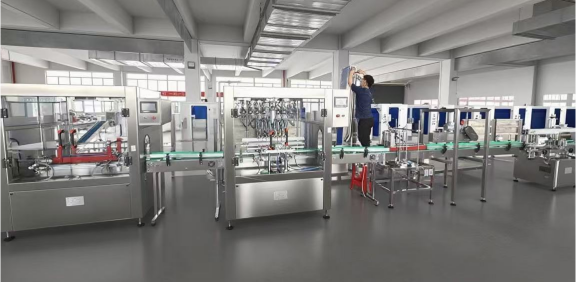
How a Servo Magnetic Pump Filling Line Powers Edible Oil Packaging

2. Introduction

The edible oil industry demands precision, hygiene, and speed in its bottling process. Servo magnetic pump filling lines have emerged as a top solution for edible oil packaging, offering accuracy, cleanliness, and flexibility. In this blog, we explore how servo-controlled magnetic pump technology transforms edible oil production lines.

3. What Is a Servo Magnetic Pump Filling Machine?

A servo magnetic pump filler uses high-precision magnetic rotor pumps driven by servo motors. This system allows precise control over fill volume and speed, making it ideal for filling viscous liquids like edible oil, olive oil, or sunflower oil.

4. Advantages for Edible Oil Bottling

– High accuracy (±0.5%) even at high speed
– Non-drip, hygienic contactless filling
– Adjustable filling volume and speed per nozzle
– Easy cleaning, CIP-compatible
– Suitable for 250ml to 5L bottles

5. Application Scenarios

This filling system is widely used for:
– Vegetable oil bottling plants
– Small-scale edible oil brands
– Cooking oil co-packing factories
– Organic oil product lines (avocado, walnut, etc.)

6. Integration with Capping, Labeling, and Packaging

Modern servo magnetic pump lines can be integrated with automatic capping machines, labeling machines, and shrink wrapping systems, creating a fully automated edible oil packaging solution. The modular design allows easy upgrades depending on your production scale.

7. Final Thoughts & Contact

If your edible oil production line requires high accuracy, flexibility, and clean operation, a servo magnetic pump filling line is your best choice.

�� Contact Longteng Machinery to get a customized edible oil filling and packaging solution.

How a Servo Magnetic Pump Filling Line Powers Edible Oil Packaging Read More »

How to Choose the Right Liquid Filling Machine

1. Title (H1)

How to Choose the Right Liquid Filling Machine for Your Production Line

2. Introduction

Choosing the correct liquid filling machine is critical for maintaining efficiency, ensuring product quality, and optimizing cost in any packaging line. Whether you’re filling water, juice, oil, or chemicals, selecting the right machine type and configuration can dramatically improve your production process.

3. Types of Liquid Filling Machines

– Gravity Filling Machine: Ideal for water, juice, and other low-viscosity liquids.– Piston Filling Machine: Best for thick sauces, pastes, and viscous fluids.– Overflow Filling Machine: Suitable for foamy liquids like shampoo, detergent, etc.– Vacuum Filling Machine: Used for precise volume control in glass bottles.– Servo Filling Machine: Fully automatic, highly accurate for high-speed lines.

4. How to Choose Based on Product Characteristics

Consider the viscosity of your liquid, the presence of particles, temperature sensitivity, and foam generation. For example, juice with pulp may require hot filling with a dedicated fruit particle filling system.

5. Filling Accuracy and Speed Requirements

The production capacity you target (e.g., 2,000 BPH or 12,000 BPH) affects whether you need semi-automatic or high-speed rotary machines. Accuracy ensures reduced waste and consistent quality – always review the fill tolerance of the model.

6. Bottle and Cap Compatibility

Make sure the machine can handle your bottle diameter, height, and cap type (screw, press-on, aluminum). Most modern fillers support multiple bottle sizes with quick changeover options.

7. Final Recommendations & Contact

There is no one-size-fits-all solution. The best liquid filling machine is one tailored to your product, budget, and production goals.�� Contact Longteng Machinery today for expert assistance in selecting the perfect machine for your needs.

8. Suggested Internal Links

– XGF 3-in-1 Water Filling Machine: https://www.longtengmach.com/product/xgf-water-filling-machine/– RCGF Hot Filling Juice Machine: https://www.longtengmach.com/product/rcgf-hot-juice-filling-machine/

How to Choose the Right Liquid Filling Machine Read More »

A Guide to Choosing the Right Model of Horizontal Packaging Machine for Your Needs

Introduction: Selecting the appropriate horizontal packaging machine for your specific requirements is a pivotal decision in optimizing your packaging process. With a myriad of options available, understanding key factors can help you make an informed choice. This guide outlines essential considerations to help you select the ideal model of horizontal packaging machine.

  1. Product Characteristics: Consider the nature of the products you intend to package. Are they solid items, liquids, powders, or a combination? The type of product influences the necessary features such as dosing systems, sealing techniques, and packaging materials.
  2. Production Volume: Determine the expected production volume. Different models of horizontal packaging machines are designed to handle varying output capacities. Choosing a machine that aligns with your production needs ensures optimal efficiency.
  3. Packaging Material: The choice of packaging material impacts the type of machine required. Consider whether you need to work with flexible films, laminates, or specialized materials. Ensure the selected machine is compatible with your chosen packaging material.
  4. Packaging Size and Style: Define the size and style of packages you intend to produce. Some horizontal packaging machines offer adjustable forming and filling systems to accommodate different package dimensions. Confirm that the machine can create the package style you require.
  5. Sealing Technique: Different sealing techniques, such as heat sealing, cold sealing, or vacuum sealing, offer distinct benefits. Choose the sealing method that best suits your product’s characteristics and shelf-life requirements.
  6. Automation Level: Assess the level of automation you need. From semi-automatic to fully automated models, each offers varying degrees of control and efficiency. Consider your available resources and desired level of human intervention.
  7. Space and Layout: Evaluate your production area’s layout and available space. Some models are designed to fit seamlessly into compact spaces, optimizing your overall production line layout.
  8. Ease of Maintenance: A reliable packaging machine should be easy to maintain. Consider features like accessibility for cleaning, availability of spare parts, and user-friendly controls.
  9. Budget and Return on Investment: While budget is a crucial factor, focus on the long-term return on investment. A higher initial investment in a robust and efficient machine can lead to significant cost savings and increased productivity over time.
  10. Supplier Reputation: Choose a reputable supplier with a track record of quality products and excellent customer support. Reading reviews, seeking referrals, and evaluating their after-sales service can guide your decision.

Conclusion: Selecting the right model of horizontal packaging machine involves a thorough understanding of your product, production requirements, and future growth plans. By considering factors such as product characteristics, production volume, packaging material, sealing technique, and automation level, you can make an informed choice that aligns with your business goals. Remember that investing time and effort in the selection process will ultimately contribute to enhanced efficiency, improved product presentation, and successful packaging operations.

A Guide to Choosing the Right Model of Horizontal Packaging Machine for Your Needs Read More »

Understanding the Advantages of Horizontal Packaging Machines

Introduction:
Horizontal packaging machines, commonly known as horizontal form-fill-seal (HFFS) machines, are a fundamental component of modern packaging solutions. These machines offer unparalleled efficiency and versatility in packaging various products across industries. In this article, we delve into the key features and benefits of horizontal packaging machines.

Efficiency in Packaging:
Horizontal packaging machines excel in their ability to streamline the packaging process. By automating the steps of forming, filling, and sealing packages in a horizontal orientation, these machines achieve high production speeds while maintaining accuracy and consistency.

Adaptability to Diverse Products:
One of the standout features of horizontal packaging machines is their adaptability to a wide range of products. From solid items like food products and hardware components to powders and liquids, these machines can accommodate diverse materials. Their flexibility extends to different package sizes and styles, making them suitable for single-serving items as well as bulk packaging.

Sealing Techniques:
Horizontal packaging machines offer multiple sealing techniques to ensure the integrity of the packaged products. Common sealing methods include heat sealing, cold sealing, and vacuum sealing. These techniques cater to different product requirements, extending shelf life and preserving product freshness.

Reduced Material Waste:
Precision in packaging is crucial not only for product presentation but also for reducing material waste. Horizontal packaging machines are designed to optimize material usage, resulting in minimal wastage. This eco-friendly approach contributes to cost savings and aligns with sustainable packaging practices.

Space-Efficient Design:
Horizontal packaging machines are designed with space efficiency in mind. Their horizontal orientation allows them to fit seamlessly into production lines, even in constrained spaces. This compact design contributes to improved overall production line layout and workflow.

Enhanced Brand Presentation:
Packaging plays a vital role in brand representation. Horizontal packaging machines offer various customization options, allowing brands to showcase their products attractively. With options for clear windows, vibrant graphics, and labeling, brands can engage consumers and create lasting impressions.

Conclusion:
Horizontal packaging machines have revolutionized the packaging industry by providing an efficient, adaptable, and versatile solution for various products. Their ability to increase production efficiency, reduce material waste, and enhance brand presentation makes them an indispensable asset in modern manufacturing. As industries continue to evolve, horizontal packaging machines stand as a testament to innovation and progress in packaging technology.

Understanding the Advantages of Horizontal Packaging Machines Read More »